
Hajj and Umrah
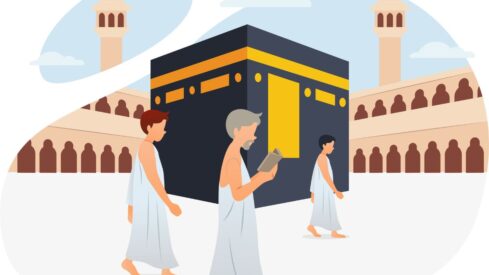
The meaning of (an accepted hajj), its conditions and the evidences that show the virtues of hajj in Islam.
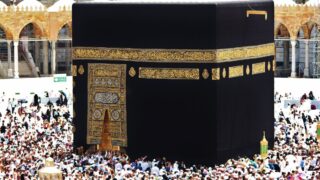
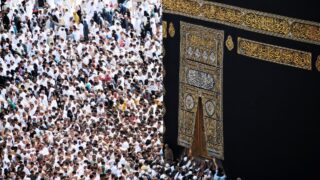
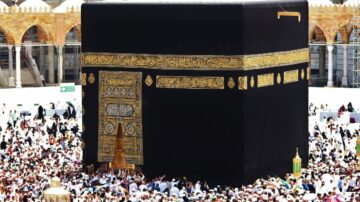
Sheikh Mustafa Al-Zarqa, may Allah have mercy on him, said: Hajj is one of the obligations of the religion and one of the principles of Islam. The foundation of performing these obligations is sincerity, so that they are accepted by Allah, pleasing to Him, and worthy of their immense reward. An accepted Hajj means a
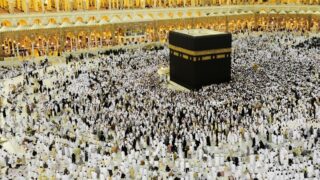
What are the objectives of Hajj in Islam? How is the present day hajj is connected to the path of Ibrahim (AS), the first caller to Hajj.

The sins that are related to the rights of the servants are not absolved of the servant except by returning the rights to their people. As for the rights of Allah, they are forgiven by repentance.
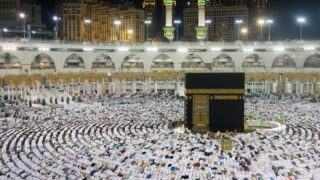
The article explains pattern of pilgrimage rites as established from the action and practice of the Prophet (Pbuh).
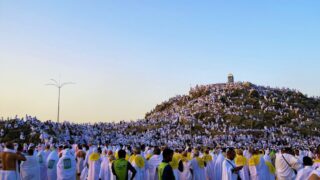
The article explains pattern of pilgrimage rites as established from the action and practice of the Prophet (Pbuh).
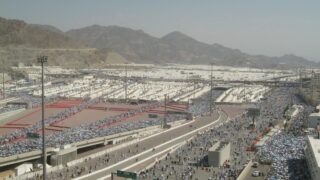
The importance of three days that follow the first day of `Eid and the obligatory duties of the Pilgrims.
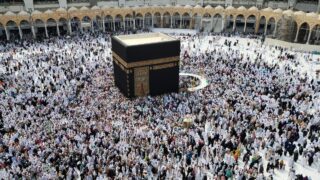
There are journeys mentioned in the Qur’an by the wisdom of Allah, and others that the Qur’an did not mention, but the revelation, told by the truthful was revealed to inform the nation. The Holy Qur’an mentioned the journey of our father Ibrahim, peace be upon him, to the Holy Land when he left his
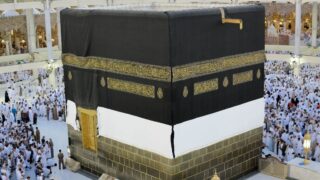
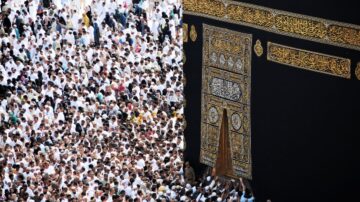
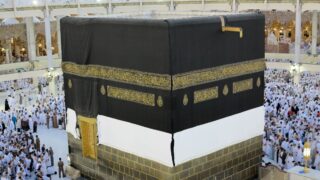
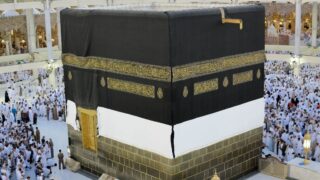
The kiswah is traditionally made of black material with a three-foot-wide band of inscription covering on all four sides of the Ka`bah
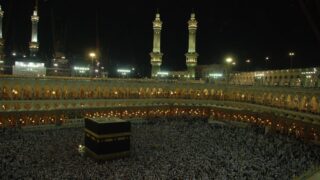
There are means in Islam that strengthen a person's connection with God, one of which is Hajj.
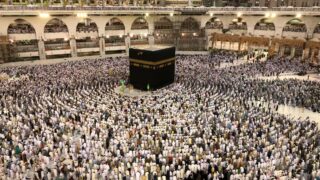
I revere the same Allah as my Christian mother and my Jewish father - Michael Wolfe.
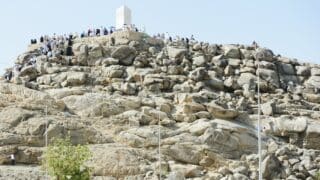
It is a sunnah to leave for Arafah after the sunrise of the 9th day of Dhul-Hijjah. This is while uttering takbir, which is saying: Allahu Akbar (God is the Greatest), tahlil, which is saying: la ilaha ila-Allah (there is no God but Allah) and talbiyah, which is saying: labbayka Allahumma labbayk. The importance of
“I am lost and can’t find my family, can you take me to our campsite?” asked Nuha during Hajj.
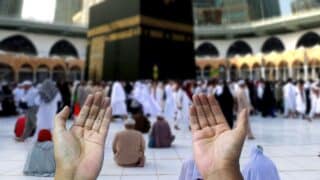
Hajj (Pilgrimage) intention and rites can be observed through the three ways of Ihram. These ways are available to ease the rites on the pilgrims
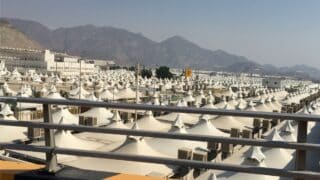
People thought it was impossible to go around the world in 80 days. So what would they think about making that trip in only one day? Well, it is possible on the day of Arafah, the essence of Hajj. Taking a look around at all the pilgrims standing on the Mount of Mercy on the
The rites of Hajj are spread over only a few days, as symbolic guidelines, they stand people in good stead for the rest of their lives.
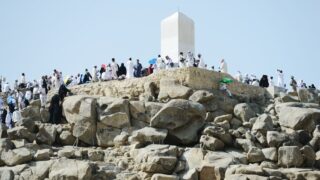
The Prophet (peace and blessings be upon him) delivered this sermon on the 9 Dhul-Hijjah 10 A.H. in the valley of Mount `Arafat, during his final Hajj, known as the Farewell Hajj
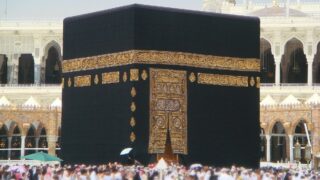
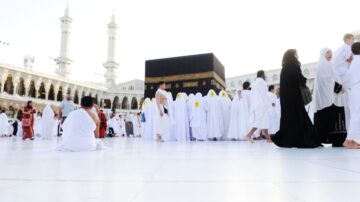
The Ka`bah is nearly square in shape, built with hard dark bluish-grey stones. It now rises to sixteen meters; but was much lower at the time of the Prophet, peace and blessing be upon him.
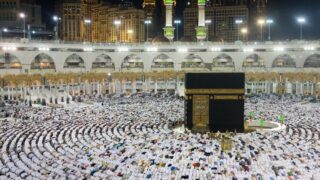
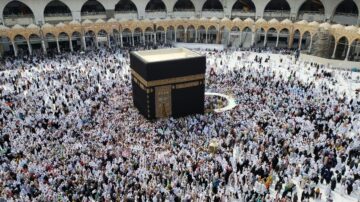
Circumambulating the Ka`bah is a symbolic act of worship, whose wisdom may be hidden from some. It indicates the believers’ utter submission to Almighty Allah alone
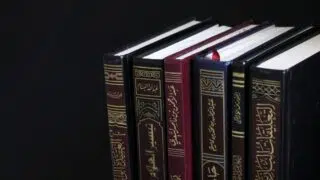
This topic shows how the Companions behaved throughout their lives—setting sublime examples of adherence to the Sunnah.

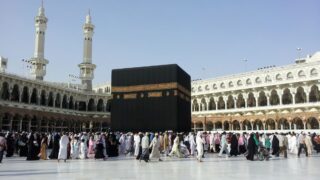
Fatwas and questions addressing matters newly introduced into Hajj and juristic rules pertaining to important rituals.
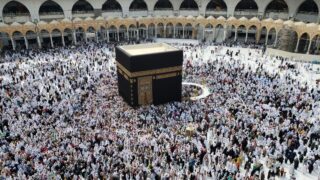
Some useful tips on how to avoid pilgrims' accidents due to the huge crowd during the performance of Hajj rites
For any deed to be accepted from an Islamic perspective, it has to meet certain criteria: it should be both righteous and sincere. Allah the Almighty says in His Ever-Glorious Qur’an: [whoever expects to meet his Lord, let him work righteousness, and, in the worship of his Lord, admit no one as partner] (Al-Kahf 18:110).
Hajj is considered a healing program because it touches the human self.
In every worship there is wisdom; it just needs some reflection and meditation to explore the secrets.
Some useful tips on how to avoid pilgrims' accidents due to the huge crowd during the performance of Hajj rites
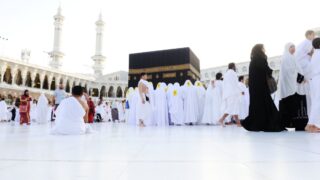
The fifth Pillar of Islam is the pilgrimage to Makkah and its surroundings known as Hajj. All Muslims are obligated to make Hajj once in their lifetimes if they can afford it and are otherwise able to do so. The Hajj is made from the eighth to the twelfth of the Islamic month of Dhul-Hijjah.Muslims
For any deed to be accepted from an Islamic perspective, it has to meet certain criteria: it should be both righteous and sincere. Allah the Almighty says in His Ever-Glorious Qur’an: [whoever expects to meet his Lord, let him work righteousness, and, in the worship of his Lord, admit no one as partner] (Al-Kahf 18:110).
Fatwas and questions addressing matters newly introduced into Hajj and juristic rules pertaining to important rituals.
the pilgrimage to Makkah, is the fourth basic act of worship (`ibadah). It is obligatory once in a lifetime
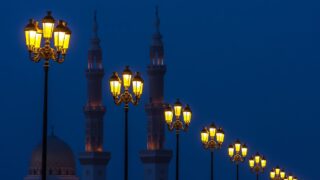
Indeed, these days are the most excellent of all the days with Allah, the first ten days of Dhul-Hijjah.
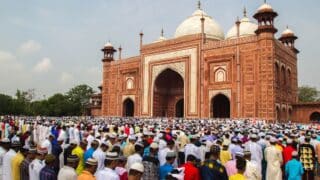
Tips on the best ways to explore the virtues of Dhul-Hijjah and benefit from the special favors Allah bestowed in this month.
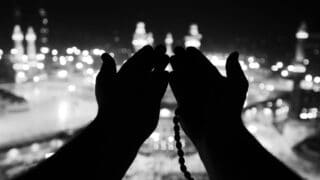
These ten days are among Allah’s graces granted to His servants as Allah created in the souls of the believers the longing to see the Holy Mosque in Makkah and no one can see it every year, He obligated Hajj on those who have the ability to perform it only once in their lifetime and

The first ten days of Dhul-Hijjah is a season of worship that brings many benefits and opportunities.

This article is about the benefits of the first ten days of Dhul-Hijjah.