
Ramadan
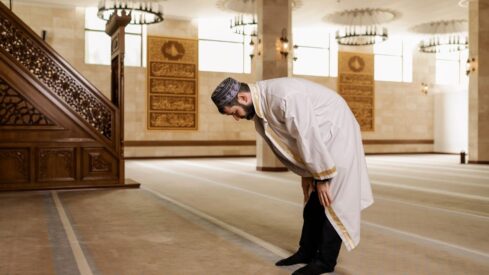
The last ten days of Ramadan are very special days in the life of every Muslim. They are the most blessed days in the blessed month of Ramadan


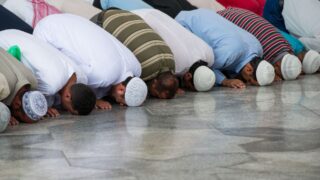
Another blessed month of Ramadan is upon the world, by the grace of God. While the days are famous for the fasts in which Muslims abstain from food, drink (yes, even water), and intimate relations, the nights are dedicated to worship. While the current pandemic has changed the ways in which we celebrate special events

Muslims believe that the Night of Power (Laylat Al-Qadr) is the holiest night of Ramadan


The arrival of Ramadan is an event which can be confirmed by sighting the new moon, even if it is seen by only one just person, or by the passage of thirty days in the immediately preceding month of Sha`ban. Ibn `Umar said: “The people were looking for the new moon and when I reported

The holy month of Ramadan is a time of restraint, reflection, and renewal. Muslims make every effort to better themselves and to be drawn closer to their Creator. They guard their tongues, engage in long hours of worship, exercise patience, and open up their hearts and pockets to charitable causes. However, when it comes to
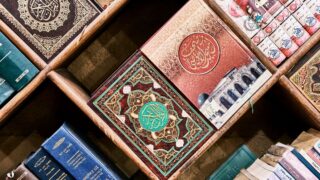
The article introduces the best and proper way to approach the Quran and benefit from its lessons, values and teachings.

In the holy month of Ramadan, one should do one’s best in observing Allah’s teachings.
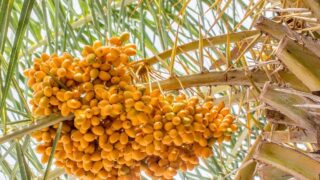
Botanical research by Muslim scholars can be traced back to the second year after Hijrah (7th century AD) when a keen interest developed into the medicinal and agricultural aspects of the floral kingdom
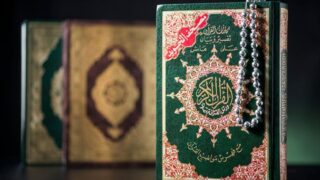
A handwritten manuscript of the opening verses of the Qur’an The human mind “can operate only on the basis of perceptions previously experienced by that very mind, either in their entirety, or in some of their constituent elements.”1 In other words, we cannot form a clear idea of something that happens entirely outside the realm

Voluntary abstinence from food has been a spiritual purification rite in many religions. The Qur'an also indicates that as a practice of the past religions.
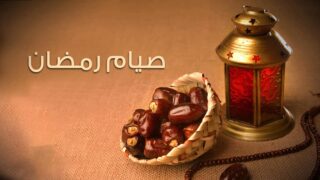
The heart of one who sincerely fasts is open to the contemplation of the magnificence of the countless bounties of God

The Prophet (Pbuh) taught us how to celebrate Ramadan through days of fasting and nights of prayer: to honor each day of Ramadan.

If we were to review the Prophet’s observation on the the nature of the month that precedes Ramadan; It is certain that the way persons like the Prophet (pbuh)’s thought would stand out due to His level of wisdom, knowledge and faith
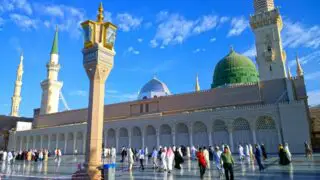
A lot of Muslims may be wondering about the Prophet’s life in Ramadan. How did he fast? How did he take his suhoor? How did he break his fast?

This night marked the beginning of the revelation of the Qur'an to Prophet, an event unparalleled in the history of humankind

Laylat Al-Qadr means “The Night of Power” or “The Night of Decree”. This was the night on which the Qur'an started being revealed
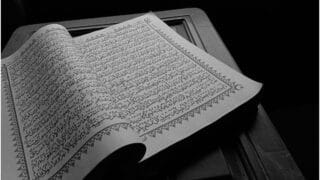
The Night of Power (Laylat Al-Qadr) is the holiest night of Ramadan. The complete Qur’an was sent down from the Preserved Tablet in this night


As the last ten nights are now upon us, it is time to re-evaluate how far we have come. Two-thirds of the month have already passed and will not return. However, we still have enough time to make a final push in this month, to maximize the benefit that we can attain, and draw closer

Every Ramadan we make plans to improve ourselves as Muslims, but those plans do not always come to fruition later because the surge of faith that we have now is severely lacking outside this blessed month. Part of the reason is because the devils are locked up during this month, so to repel the devils
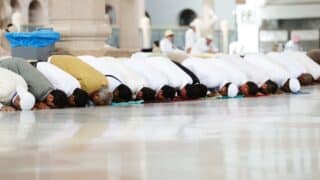
The name of the Taraweeh prayer prevails over the prayers that are performed on the nights of Ramadan because the imam sits after every four rak’at. It is said that he sits between each two rak’ahs, the amount of Tarweehah – a break. Taraweeh is a plural of Tarweehah, meaning a break. He said in
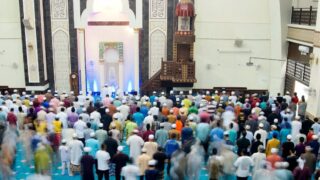

Prophet Muhammad's tradition and activities in the middle of the night with the emphasis on Tahajjud prayer and the calm recitation

The article covers the importance of reading Qur'an, engaging in voluntary prayer and other several acts of Ibadah during the month of Ramadan.
It is very important that we spent a few moments to understand some of the wisdom and lessons that we can learn from this month of fasting.

The article identifies some moral benefits and objectives of fasting in Islam. How it helps to develop quality behaviors
The benefits of Ramadan are not limited to either "spiritual" or "temporal" elements of life. What are the significances of fasting?
The article shows us some of the things that a fasting person is supposed to do, and how they are related to the concept of piety.

Allah describes the discourse between Himself and the reckless and negligent on the Day of Judgement

Taqwa (piety) is a comprehensive term denoting a believer’s strict observance of the commandments of the Shari`ah and the Divine laws of nature and life

Through the frequent follow-up and permanent observation, committing the Qur’an to one’s heart can be kept free from forgetting

Some stations that a Muslim has to stop with in order to achieve his objectives in Ramadan

Muslims have prepared for the fast, and they enter into it with their whole mind and body.
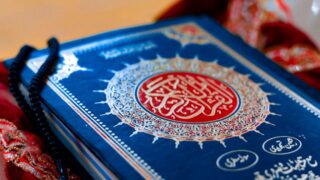
As we are spiritually preparing for the month of Ramadan, I would like to suggest the following program to help everyone—including those who go to work early in the morning or to school—have an enjoyable, organized, and well-spent month. Many people hold the perception that fasting in Ramadan demands a tremendous amount of energy, and

The dualism between the body and the soul is very clearly evident in the physical world. The body is subservient and the soul is in charge; however, both are indispensable. It is just that the soul is the master while the body is the obedient servant. People have a habit of letting themselves become fully
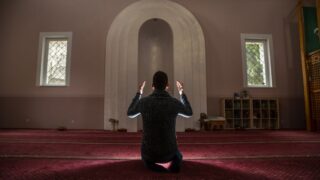
If you ask most young people how they feel generally and how they feel within their families, the most common answer is ‘isolated’ ‘different’ ‘lonely’. What has happened to us that we have forgotten how to communicate with our kids! Are we just too busy to really listen to them? Have we forgotten how it

We must examine ourselves now and see what we have learned and achieved during this month of Ramadan

In Ramadan, Muslims everywhere in the world enter into a season of intensive worship, which is characterized by fasting, praying, and training for self-control and discipline, in order to become a better and spiritually purified human being. This season is the month of Ramadan, which is the ninth month in the lunar calendar. A sacred

In the holy month of Ramadan, one should do one’s best in observing Allah’s teachings.
Fasting is a manifestation of man’s determined will and his relationship with his Lord, which is based on total obedience and submission.
The article explains how fasting in the month of Ramadan sets higher religious and moral standard. This is identified through the reward of fasting
The Prophet (Pbuh) taught us how to celebrate Ramadan through days of fasting and nights of prayer: to honor each day of Ramadan.
The holy month of Ramadan is a time of restraint, reflection, and renewal. Muslims make every effort to better themselves and to be drawn closer to their Creator. They guard their tongues, engage in long hours of worship, exercise patience, and open up their hearts and pockets to charitable causes. However, when it comes to

When we fast in Ramadan, we inevitably think of those who feel hunger every day of the year. We experience hunger and look forward to breaking with the food at iftar

Ramadan is a month of serenity and spiritual elevation. But when the body’s glucose level decreases too much from fasting, this could lead to irritability and aggression. Other factors may also contribute to the feeling of irritability, such as refraining from the habitual cigarette. Prophet Mohamed (peace be upon him) advised us to ‘keep our
Many benefits, in addition to the spiritual, result from completing this prescribed period of fasting.

We all know that Ramadan is the 9th month of the Islamic or Hijra calendar, but how and when did this calendar come to be used by the Muslims?

Yogurt is a popular food for Ramadan as well as Eid. However, much controversy has surrounded the consumption of cow’s milk and milk products for some time. Fortunately, though, this controversy only pertains to commercially produced cow milk and milk products. As one of the oldest foods known to man, yogurt is a product of

Food intake should not be excessive therefore preventing us from our duties to ourselves, each other and God.
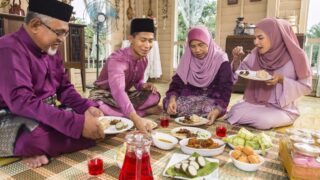
Fasting (cleansing, detoxification) is part of the triology of nutrition; balancing and building are the others.
The example of the Prophet, his Companions, and the earliest generation of Muslims in realizing the benefit of Ramadan